An Analogy to Explain the Difference Between an AI Model, an AI Engine, and an AI System
Understanding the components of AI is hard; there are so many terms! AI engines, AI models, AI systems, and AI interfaces. We can break down the parts in easy-to-understand concepts with this horse analogy.
A Horse Analogy
- AI Model: The horse’s training. It represents what the AI has learned from the data it was trained on and how it performs a specific task, such as generating images, writing text, or creating video.
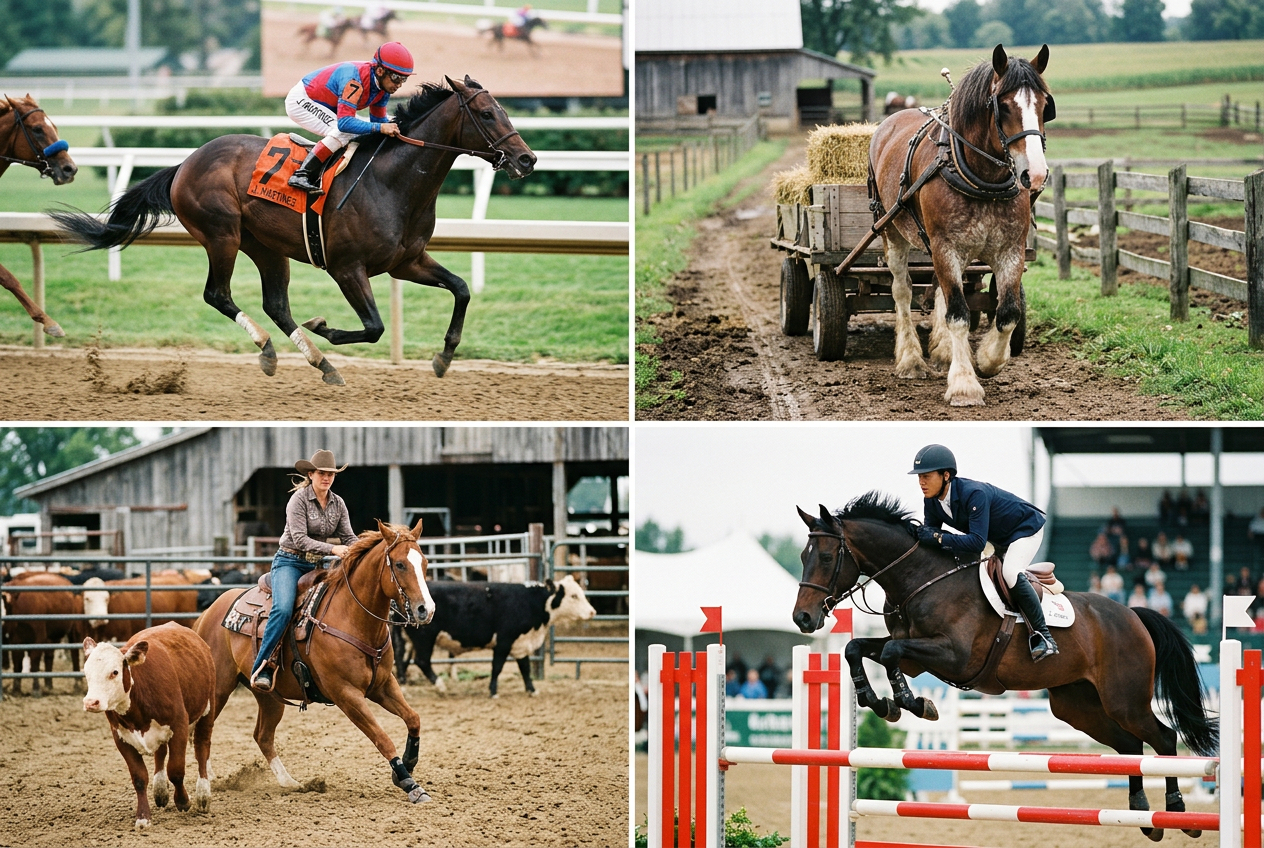
- AI Engine: The horse itself. The horse is built for a certain use—big and drafty for farming, or lean and tall for racing. Different engines are optimized for different tasks. Some excel at creating realistic images, while others are designed for writing, coding, or video generation.
- User Interface: The rider and the reins/tack.
- AI System: Everything as a whole. The horse cannot function without food and training (the model) and will not perform a job without its rider (the user and the interface). An AI system includes the model, the engine, the user interface, the training data, and the human user interacting with it.
AI Model: Training and Diet
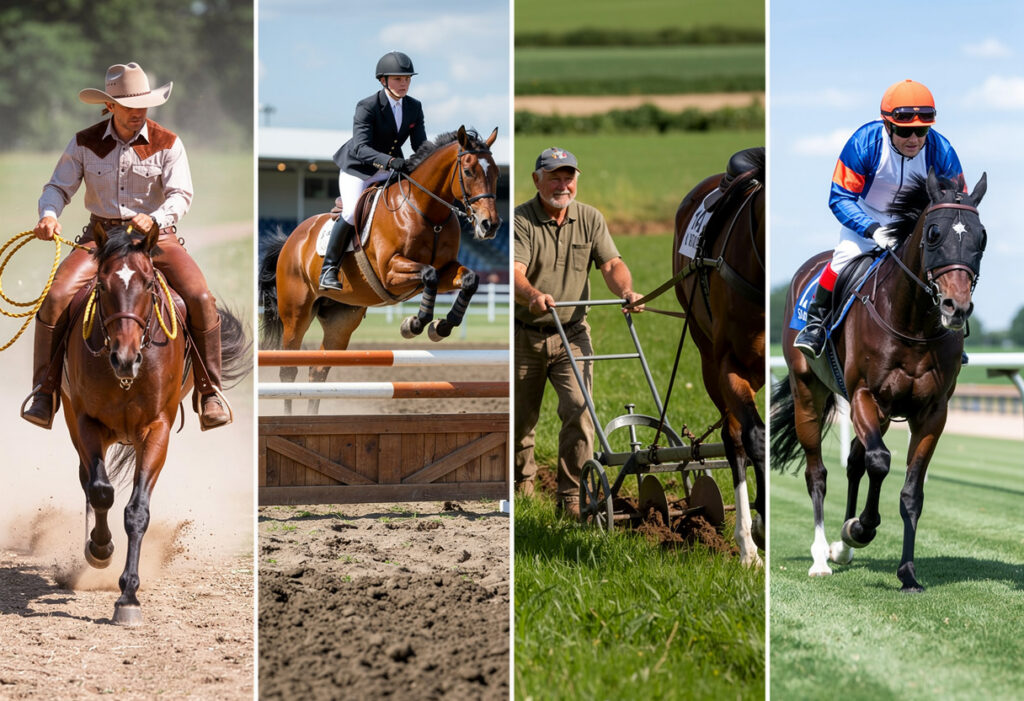
A model is the horse’s training and diet. Take a common AI model, such as DeepSeek. This model is open-source, meaning you could take its base code and train it to perform a particular task. Just like a young, untrained horse, full of potential, you could train it to pursue any job. Maybe that’s racing, farm plowing, jumping, or ranching. So long as the trainer is consistent with feedback to the horse and gives it the proper diet, it will become proficient in a certain skill.
Ethics: Fencing*
The quickest way to get a group of creatives—especially illustrators!—upset and angry is to start a discussion on Artificial Intelligence and image generation. Discussions about AI-generated imagery often become emotional because artists, illustrators, photographers, and writers have legitimate concerns about copyright, attribution, compensation, and the future of creative work.
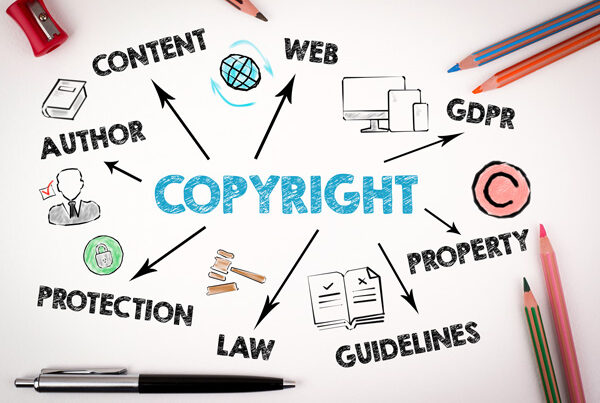
The U.S. Copyright Office currently maintains that purely AI-generated content is not eligible for copyright protection. However, works containing meaningful human creative input may qualify for copyright protection depending on the circumstances.
Just like any technology of the past—such as combustion engines or smartphones—AI is here to stay and will integrate into every part of society.
So, is there any way to utilize AI while maintaining some semblance of ethics? When generating imagery, it’s important to understand how that image is being generated and what reference databases are influencing that image.
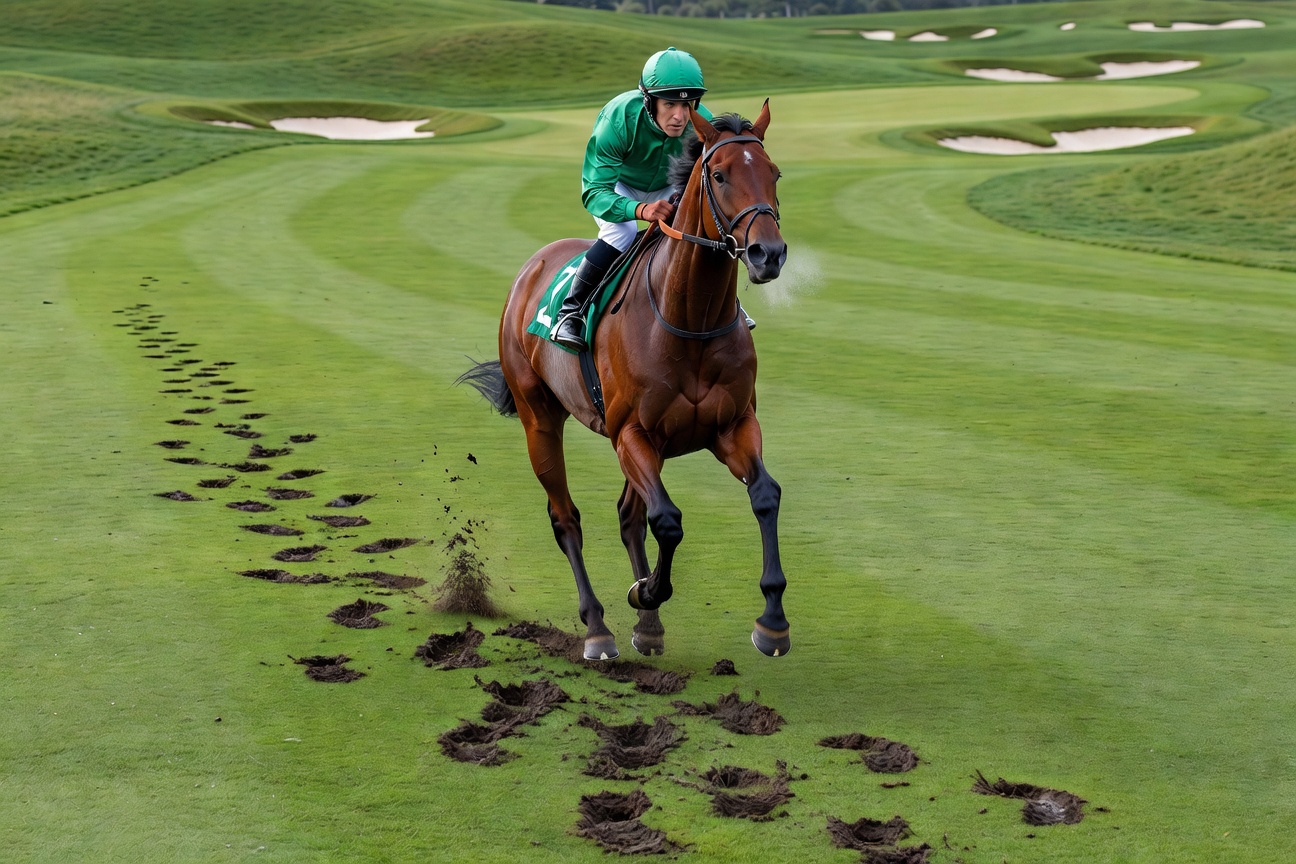
An ethical AI model (your horse’s training and diet) needs proper “fencing” to ensure it isn’t infringing on other people’s copyright (their crops or their golf course). When feeding your horse, you must give it food grown from your own pasture or purchase food for it to eat. (This would be purchasing rights to stock images to train your model on.) If your horse is running rampant, stealing food and making a mess, you’re in a load of legal trouble.
*While several AI models do claim to ethically source their reference databases, it’s hotly debated whether users were given fair choice or properly compensated for their participation. An example of this is long-time Adobe Stock suppliers being opted into the AI training model without proper warning or consent.
AI Engine: The Horse Breed
The horse itself is the AI engine. Perhaps the horse is bulky and strong, made for farming. Or perhaps the horse is lithe and pretty, made for jumping over rails. When the proper AI engine (horse breed) is paired with the correct AI model (training and diet), the animal can perform well for the user (the rider).
In terms of ethics, the horse trainer (the model) is much more important than the horse (the engine) itself, as the horse doesn’t understand human morality and is just doing as told.
AI System: The Whole Unit
An AI system accounts for every part of the AI-generation process: the horse itself (the engine), the training and diet of the horse (the model), and the rider (the user), who controls the horse via reins (a user interface).
Even in a perfectly-contained system, however, it is possible that when the user takes the reins, he might steer the horse onto the golf course again. For example, Magnific claims that its AI models are trained on closed, legally-sound databases. But, if the user brings a Disney-copyrighted reference image into the “safe environment,” the output will obviously become copyright-tainted.
Always Read the Fine Print
When choosing an “ethical” AI system, read the fine print. Adobe claims this about their model, Firefly:
“We don’t train generative AI models on your or your customers’ content unless you’ve submitted the content to the Adobe Stock marketplace.”
“Ethical” AI Systems/Models
- Magnific/Freepik (magnific.com/app)
- Bria (https://bria.ai/)
- Shutterstock (https://www.shutterstock.com/ai-image-generator)
- Moonvalley, video (https://www.moonvalley.com/)
- Adobe Stock (https://www.adobe.com/products/firefly.html)
AI Model Used for this Article
The images in this article were generated using Magnific’s AI model (horse trainer and dietician) called F-Lite with several different engines (breeds of horse). While some AI companies claim their models are trained on licensed or legally sourced content, users should carefully review the terms of service and consult legal counsel when developing products intended for commercial distribution.
AI presents both opportunities and challenges. It can dramatically increase productivity and lower barriers to creation, but it also raises important questions about compensation, ownership, and the future role of human artists. The technology is evolving rapidly, and the legal and ethical standards surrounding it are still being defined.
For authors and illustrators, the best approach is to stay informed. Understand the tools you’re using, read the licensing agreements carefully, and make intentional decisions about how AI fits into your creative process.
What Authors Should Know Before Using AI Images
- Ask whether the AI platform allows commercial use.
- Verify whether the platform discloses how its training data was obtained.
- Understand that AI-generated images may not qualify for copyright protection.
- Be prepared to disclose AI-generated content when publishing through platforms such as Amazon KDP.
- If building a brand, mascot, or licensing program, consider hiring an illustrator to create original artwork that can be fully protected by copyright.
Additional Resources:
-
How to Use Stock Photos for Book Covers Without Getting Burned
- How to Evaluate a Children’s Book Illustrator Before You Hire