Don’t assume that if an illustrator can draw, they can illustrate a book
As book designers, we’re often brought into a project after the illustrations are complete. Unfortunately, that’s when many technical and storytelling problems become expensive to fix.
One of the biggest misconceptions among first-time children’s book authors is that anyone who can draw can illustrate a children’s book. Unfortunately, that simply isn’t true.
Over the years, we’ve worked with many talented artists whose portfolios showed incredible technical skill. Some were fine artists, painters, graphic artists, or hobbyists with impressive drawing abilities. Yet many struggled when asked to create an entire picture book.
The challenge isn’t artistic talent. The challenge is visual storytelling.
A successful children’s book illustrator must create consistent characters and environments across dozens of pages, convey emotions through expressions and body language, guide readers through the story, and prepare artwork that meets professional publishing standards. These skills are very different from creating a single beautiful piece of artwork.
We’ve learned this lesson through experience. Some of the most promising artists we’ve worked with produced stunning individual illustrations but struggled to maintain consistency, meet technical specifications, or tell a cohesive story from page to page.
If you’re considering hiring an illustrator for your children’s book, don’t assume a strong portfolio tells the whole story. Instead, ask the right questions before signing a contract.
To help, we’ve created a free checklist and this evaluation guide to help you interview potential illustrators, identify red flags, and choose an artist who can successfully bring your story to life.
Can the Illustrator Create the Same Character Consistently Throughout the Book?
Creating one beautiful illustration is very different from creating twenty-four illustrations featuring the same character. Children’s books require consistency in facial features, clothing, colors, proportions, and expressions from the first page to the last.
How to Verify
Ask to see pages from a completed children’s book, not just portfolio samples. Compare the same character across multiple illustrations.
Red Flag
The illustrator only shows standalone artwork and cannot demonstrate a recurring character throughout an entire story.
Can the Illustrator Maintain Consistent Backgrounds and Scenery?
Just as characters need consistency, so do the environments they inhabit. A child’s bedroom, a school classroom, or a magical forest should remain visually consistent throughout the story.
Professional illustrators often create environment reference sheets to document colors, furniture, buildings, landscapes, and other important details before beginning final artwork.
How to Verify
Ask to see examples of recurring locations from previous projects.
Red Flag
Important environmental details change from page to page without explanation.
Does the Illustrator Understand Visual Storytelling?
Illustrations should do more than decorate the page. They should help tell the story, reinforce emotions, and guide readers through the narrative.
How to Verify
Review a completed book. Notice whether the illustrations add information not already contained in the text.
Red Flag
The illustrations simply repeat what the text already says.
Has the Illustrator Successfully Completed a Children’s Book Before?
Children’s books present unique challenges involving page turns, pacing, character development, and technical production requirements.
How to Verify
Ask for titles of completed books and references from authors.
Red Flag
The illustrator has extensive art experience but no experience creating children’s books.
How Will the Illustrations Be Created?
Today’s illustrators may use watercolor, acrylic paint, colored pencils, digital painting, vector artwork, AI-assisted tools, or a combination of methods.
The process matters because it can affect copyright ownership, image quality, file preparation, and future licensing opportunities.
How to Verify
Ask the illustrator to explain their process from sketch to final artwork.
Red Flag
The illustrator is unwilling to explain how the artwork is created.
Will AI Be Used?
Many authors never think to ask this question until it’s too late.
If AI tools are involved, authors should understand how they are being used and what rights they will receive to the finished artwork.
How to Verify
Ask directly whether any AI tools are used during the creation process.
Red Flag
The illustrator avoids answering questions about AI or provides vague explanations.
Is the Artwork Being Created in the Correct Size?
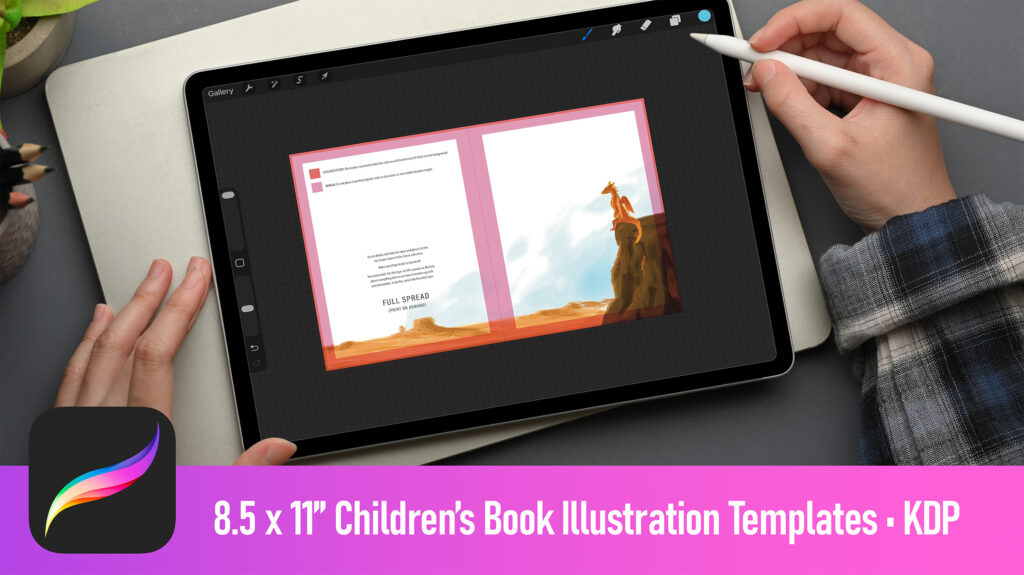
Illustrations should be created at the final trim size of the book plus additional space for bleed.
Artwork that is too small may become blurry when enlarged.
How to Verify
Ask if the illustrator knows the final trim size and bleed specifications before beginning.
Red Flag
The illustrator creates artwork before discussing book size or printing requirements.
Will the Artwork Be Prepared at 300 DPI?
Print-quality artwork requires a minimum resolution of 300 dots per inch (DPI).
Lower resolutions may appear acceptable on a screen but often look blurry or pixelated when printed.
How to Verify
Ask what resolution the illustrator uses.
Good Answer
“All artwork is created at 300 DPI or higher at final print size.”
Red Flag
The illustrator is unfamiliar with DPI requirements.
Will the Artwork Be Created in CMYK Color Mode?
Professional printing uses CMYK color. Most screens display RGB color.
Converting RGB artwork to CMYK can sometimes cause unexpected color shifts and duller results.
How to Verify
Ask what color mode is used during production.
Good Answer
“I create artwork in CMYK from the beginning.”
Red Flag
The illustrator does not understand the difference between RGB and CMYK.
What Software Is Being Used?
The software itself isn’t necessarily the issue. What matters is whether the software can produce professional print-ready files.
How to Verify
Ask whether the illustrator uses Adobe Photoshop, Adobe Illustrator, Adobe Fresco, Procreate, or another professional tool.
Red Flag
The illustrator cannot explain how the software prepares files for print.
Does the Illustrator Understand Bleeds, Gutters, and Safe Zones?
Professional book production requires artwork to extend beyond the trim line while protecting important visual elements from being cut off during printing.
How to Verify
Ask how they prepare artwork for full-bleed pages.
Red Flag
The illustrator has never worked with a book designer or printer.
What should the illustrator work on first?
Once a contract is signed and first payment made, require that your illustrator first complete a rough storyboard of the whole story instead of fleshing out finalized pieces one-by-one. A rough storyboard allows you to see how the final product will flow, read, and feel. At this stage is when you can ask the illustrator to make major composition changes, or perhaps you realize that you need to cut down on the text on some spreads.
Additionally, it should be determined if your illustrator is responsible for the interior text formatting, or if a designer is. If you have multiple people working on your book layout, make sure they’re in contact with each other and aware of whom is responsible for each task.
How to Verify
Ask the illustrator to provide a rough storyboard at the beginning (perhaps with text included, if they’re responsible for that).
Red Flag
The illustrator jumps straight into creating finalized pieces.
Who Owns the Copyright?
This question should never be left unanswered.
Ownership rights affect future editions, merchandise, licensing opportunities, and marketing materials.
How to Verify
Review the contract carefully before signing.
Red Flag
No written agreement exists regarding ownership.
Can the Artwork Be Used for Merchandise?
Many authors eventually want to create plush toys, coloring books, stickers, apparel, or educational products.
Not all illustration agreements allow these uses.
How to Verify
Ask specifically about merchandising rights.
Red Flag
The contract only covers book publication rights.
Will the Illustrator Provide Source Files?
Layered source files can be extremely valuable if future revisions become necessary.
How to Verify
Ask what file formats will be delivered upon project completion.
Red Flag
The illustrator only provides flattened image files.
Does the Illustrator Use Character Sheets and Reference Guides?
Professional illustrators often create character sheets and environment reference sheets before beginning final artwork.
These documents help maintain consistency throughout the book.
How to Verify
Ask to see examples from previous projects.
Red Flag
The illustrator relies entirely on memory to maintain consistency.
Can the Illustrator Meet the Proposed Timeline?
Creating a picture book takes time. Be cautious when timelines seem unusually short.
How to Verify
Ask how long previous projects required.
Red Flag
Promises that sound too good to be true.
If an illustrator claims they can create twenty-four finished illustrations in just a few days, ask additional questions about their process.
Does the Illustrator Have References?
Past clients can provide valuable insight into communication, reliability, and professionalism.
How to Verify
Request references from authors who have completed books with the illustrator.
Red Flag
The illustrator cannot provide references or completed project examples.
Still have questions about creating, formatting, and publishing a children’s book?
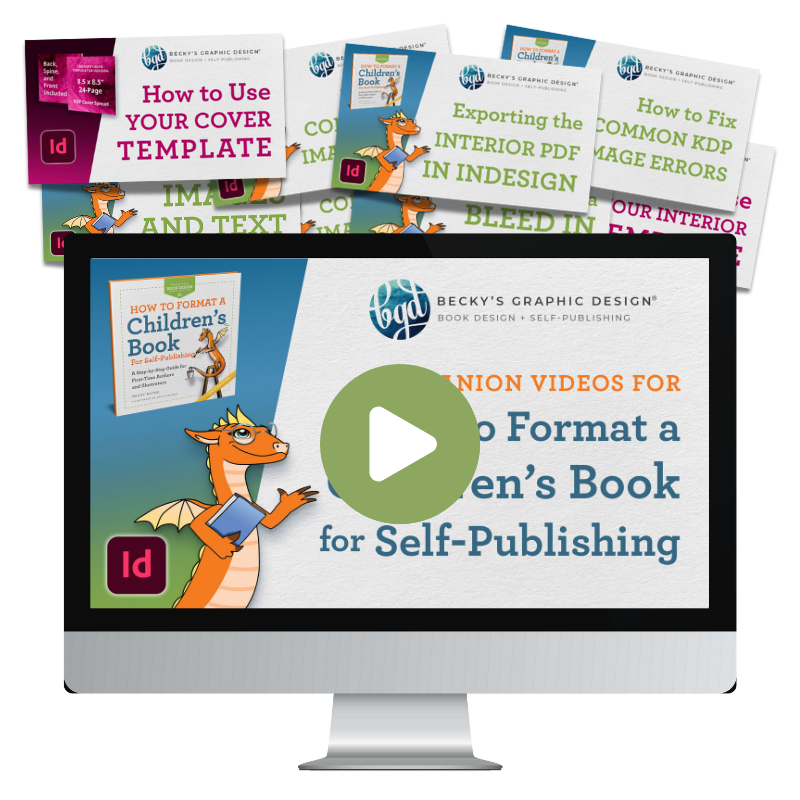
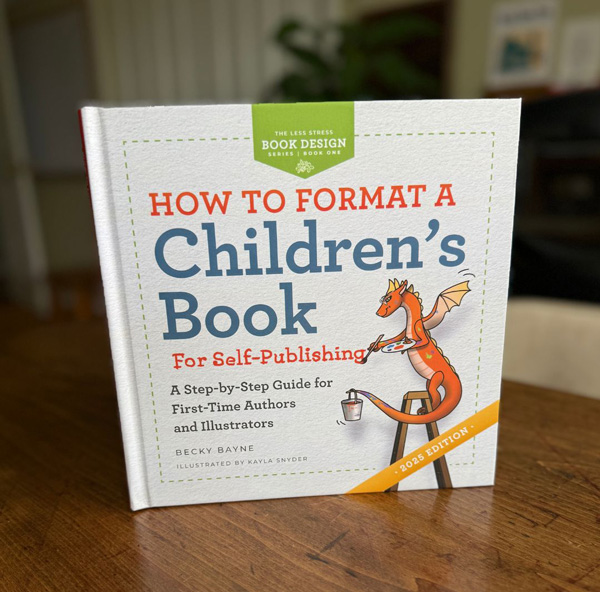
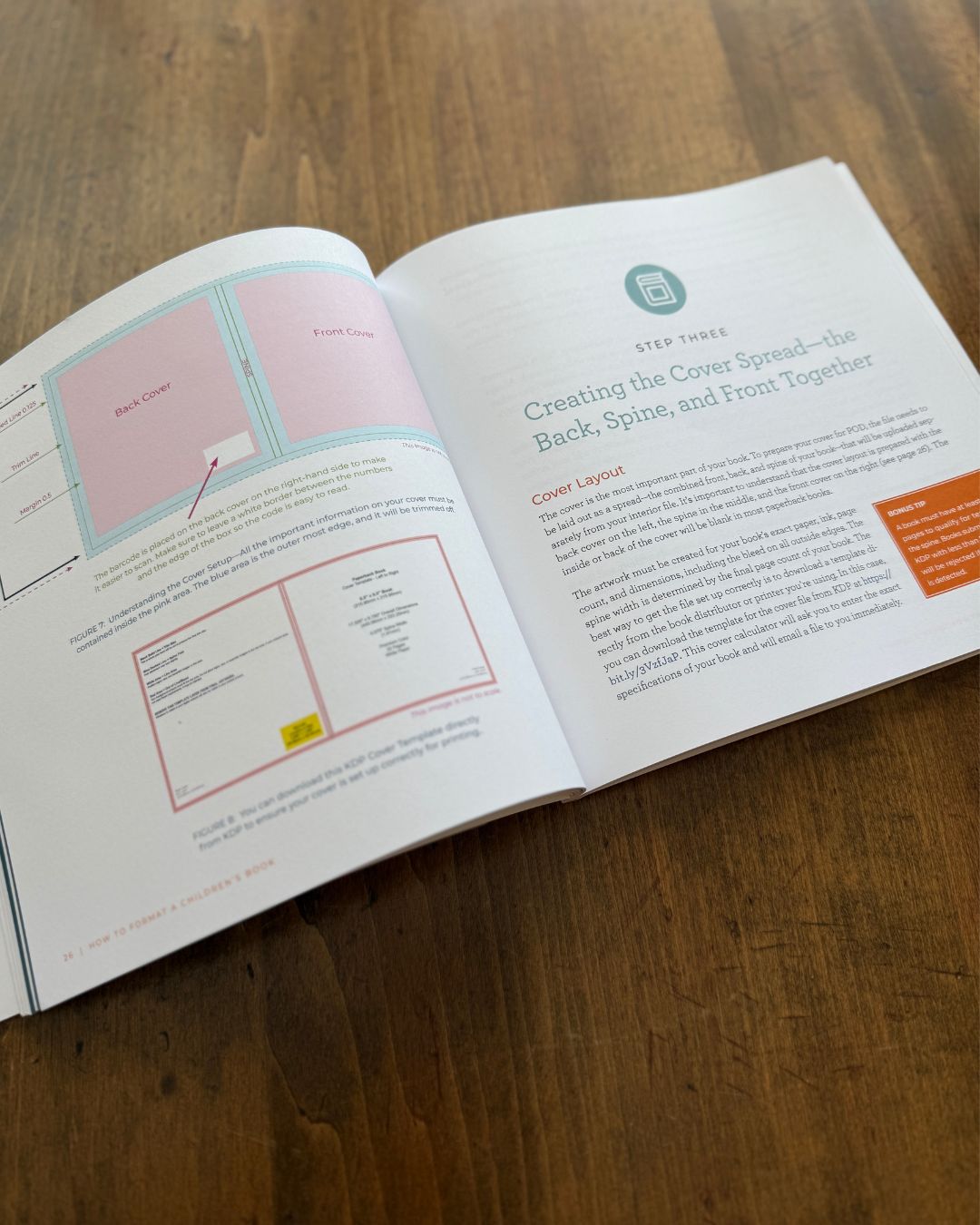
That’s exactly why I wrote How to Format a Children’s Book for Self-Publishing. It walks first-time authors and illustrators through the step-by-step process of preparing a children’s book correctly—from understanding page count and trim size to working with illustrations, setting up files, and avoiding costly mistakes before upload.
If you’re serious about self-publishing a children’s book that looks professional and is built the right way, this book is a practical next step.
Get your copy of How to Format a Children’s Book for Self-Publishing and start building your book with more confidence.
Available on Amazon, Barnes & Noble, Bookshop.org, and online wherever books are sold.
Additional Resources:
- How to Format a Children’s Book for Self-Publishing: A Step-by-Step Guide for Authors and Illustrators
-
What Is the Difference Between an AI Model, AI Engine, and AI System?