What Every Self-Publishing Author Needs to Know Before Hiring an Illustrator
The Quality of Illustration Matters
The illustrations in a children’s book do far more than decorate the pages—they help tell the story, capture a child’s attention, and create an emotional connection with readers. In many cases, parents, teachers, librarians, and young readers decide whether to pick up a book based on the cover and artwork before reading a single word.
High-quality illustrations can make a book look professional, strengthen the storytelling, and increase the likelihood of positive reviews and recommendations. Poorly prepared artwork, on the other hand, can create production problems, increase publishing costs, and leave readers with a less-than-professional impression.
As a book designer, I’ve seen firsthand how the right illustrator can elevate a manuscript—and how the wrong choice can create costly delays, technical issues, and disappointing results.
A Case Study
In late 2024, we received a new picture book project, and it started like many others. The author and I discussed her book, and she shared how excited she was about her illustrator. Based on the samples she had seen, the artwork looked amazing, and the illustrator promised to complete all the illustrations in less than a week.
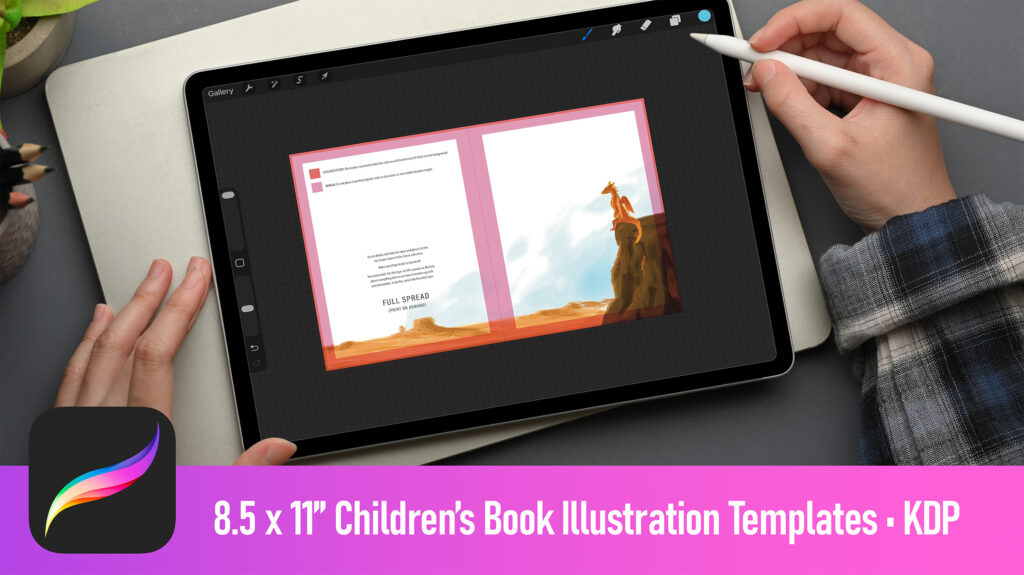
As we continued talking, I discovered an important problem. The author had instructed her illustrator to create the artwork in a horizontal format measuring 12 inches wide by 9 inches high. Unfortunately, that size would not work for the print-on-demand specifications we planned to use. Amazon KDP’s largest standard trim size is 8.5 inches by 11 inches, which requires a vertical layout.
To move forward, the illustrator would need to completely recreate the artwork in a new format. I expected the author to panic when she realized this change could delay her already tight production schedule. Instead, she remained completely confident.
Original illustrations take time!
The author assured me that her illustrator could make the changes quickly.
That response immediately raised concerns. After years of working with children’s books, I know how much time it takes to redraw twenty-three illustrations. Even when an artist works digitally, recreating an entire set of images requires significant effort and attention to detail.
Based on the timeline the illustrator had quoted, I suspected artificial intelligence might be involved. I asked the author whether she had discussed AI with her illustrator.
She admitted she had never asked.
Like many first-time authors, she assumed the illustrations were hand-drawn original artwork.
That conversation revealed an important lesson for anyone hiring an illustrator today:
Lesson Learned: When hiring an illustrator, always ask whether they use AI in their illustration process.
Review Artwork Carefully
The author and I examined the illustrations more closely and quickly identified several problems that suggested AI-generated content played a role in the artwork.
We found multiple characters that closely resembled well-known theme park personalities, creating potential trademark concerns.
We also discovered:
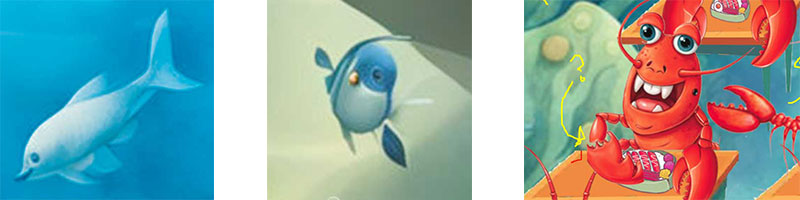
- Sea creatures with extra fins and anatomically impossible features
- Crustaceans with backward appendages
- Birds swimming underwater
- Incomplete backgrounds and missing scene details
- Unnatural lighting and inconsistent visual elements from image to image
These issues often appear when AI generates artwork without careful human correction and editing.
While AI tools continue to improve, authors should understand the risks before investing in illustrations. Copyright questions remain unsettled in many situations. Consistency across characters can be difficult to maintain. Most importantly, correcting AI-generated artwork often takes additional time and money.
Before hiring an illustrator, ask detailed questions about their process. Request samples from completed books, ask whether AI tools play a role in the artwork, and make sure you understand who owns the final images and what rights you will receive.
A beautiful portfolio is important, but understanding how the artwork is created can save you from expensive surprises later in the publishing process.
The Illustrator’s Admission
When we raised our concerns, the illustrator admitted she had created the images using an AI-based image generation tool rather than producing entirely original artwork by hand.
That disclosure introduced a new set of concerns. Because current U.S. copyright guidance treats many AI-generated images differently than human-created artwork, the author needed to understand how this choice could affect her intellectual property rights. While authors can generally copyright their original written content, AI-generated illustrations may not qualify for the same protection. We encouraged the author to review the latest guidance from the U.S. Copyright Office and seek legal advice if she had questions about her specific situation.
Because the author faced a tight deadline, she decided to move forward with the project. She asked the illustrator to correct the most obvious issues and clean up the artwork. She also requested a hand-drawn version of the main character because she planned to use that character design for branded merchandise, including a toy.
When we later uploaded the book files to Amazon KDP, we had to disclose the use of AI-generated images during the publishing process.
If you choose to use AI, do not forget to disclose it when uploading your files; both KDP and IngramSpark require this step. You’ll also need to disclose the AI tool you used.
Artificial intelligence continues to evolve at an incredible pace, but many legal and business questions remain unresolved. Copyright ownership, trademark concerns, licensing rights, and future legal standards continue to develop.
Use AI With Caution
At this time, we encourage authors to approach AI-generated illustrations carefully. Before hiring an illustrator, ask direct questions about their creative process and require full disclosure regarding any AI tools used during production.
Questions to ask include:
- Do you create artwork entirely by hand, digitally, or with AI assistance?
- Which AI tools, if any, do you use?
- What rights will I receive to the final artwork?
- Can the artwork be copyrighted?
- Can the artwork be used for merchandise, licensing, or branding purposes?
The more information you gather before signing a contract, the better prepared you will be to make an informed decision. We’ve put together a checklist to help you interview illustrators, download the free checklist at the bottom of this post.
Designer Tip: Before signing a contract with an illustrator, ask your book designer to review the illustrator’s portfolio and technical specifications. A five-minute review can reveal problems with resolution, color mode, trim size, bleed, consistency, and production readiness that may cost thousands of dollars to fix later.
AI Image Detection Tools
If you suspect an illustrator may be using AI-generated artwork, consider running a few sample images through an AI image detection tool. They can be useful screening tools, but should not be relied upon as conclusive evidence. No detector is perfect; these tools can help identify images that may have been created or heavily influenced by artificial intelligence.
One popular option is: WasItAI?
We have tested several detection tools and found them useful as part of the vetting process. However, treat the results as one piece of information rather than definitive proof.
Learn More About AI and Copyright
The U.S. Copyright Office continues to publish reports and guidance regarding generative AI and copyright law. Authors considering AI-generated illustrations should review the latest information before making publishing decisions.
U.S. Copyright Office AI Resource Center
Before You Hire an Illustrator, Let’s Review Your Project
Choosing an illustrator is one of the most important decisions you’ll make when publishing a children’s book. The right illustrator can bring your story to life, while the wrong choice can lead to technical problems, missed deadlines, unexpected expenses, and even copyright concerns.
Before you invest thousands of dollars in artwork, schedule a Book Design Readiness Review with Becky’s Graphic Design.
During this complimentary consultation, we’ll discuss:
- Your book’s target age range
- Trim size and production requirements
- Illustration specifications and file preparation
- Self-publishing options through KDP and IngramSpark
- Common mistakes that first-time authors make
- Questions you should ask before hiring an illustrator
Our goal is simple: help you avoid costly mistakes and give your book the strongest possible foundation for success.
AI Technology and the Future for Authors and Illustrators
For additional information on how AI Models, Engines, and Training Data Affect Ethics and Copyright, check out this blog post: Understanding AI Technology, Ethics, and Copyright for Authors and Illustrators
Still have questions about creating, formatting, and publishing a children’s book?
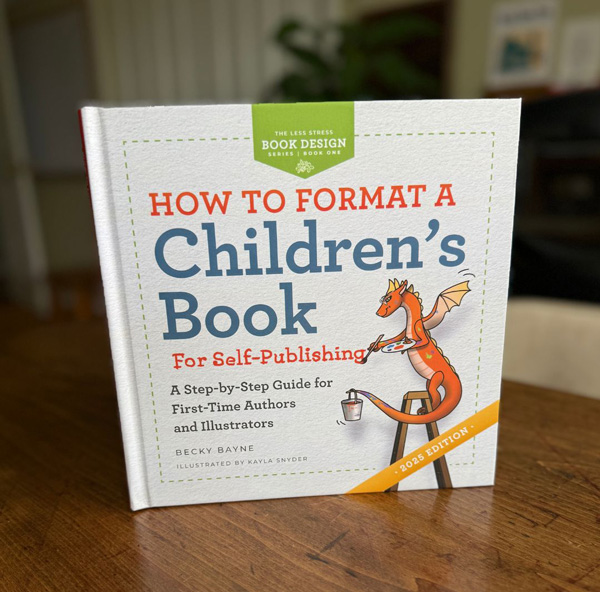
That’s exactly why I wrote How to Format a Children’s Book for Self-Publishing. It walks first-time authors and illustrators through the step-by-step process of preparing a children’s book correctly—from understanding page count and trim size to working with illustrations, setting up files, and avoiding costly mistakes before upload.
If you’re serious about self-publishing a children’s book that looks professional and is built the right way, this book is a practical next step.
Get your copy of How to Format a Children’s Book for Self-Publishing and start building your book with more confidence.
Available on Amazon, Barnes & Noble, Bookshop.org, and online wherever books are sold.