One year ago, I released my first book…
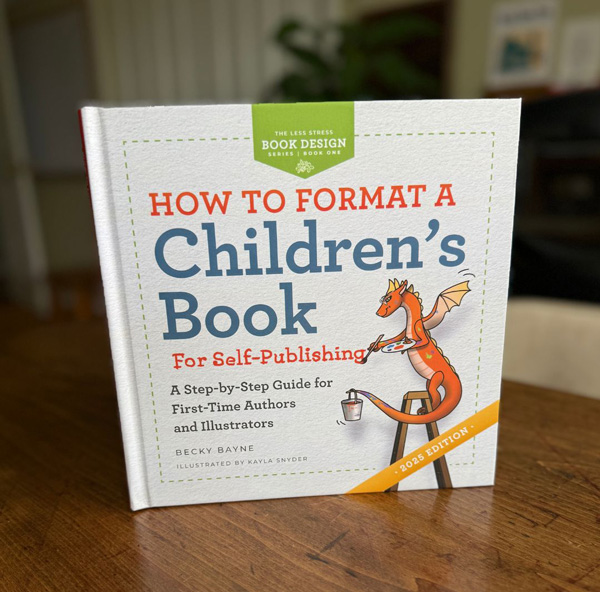
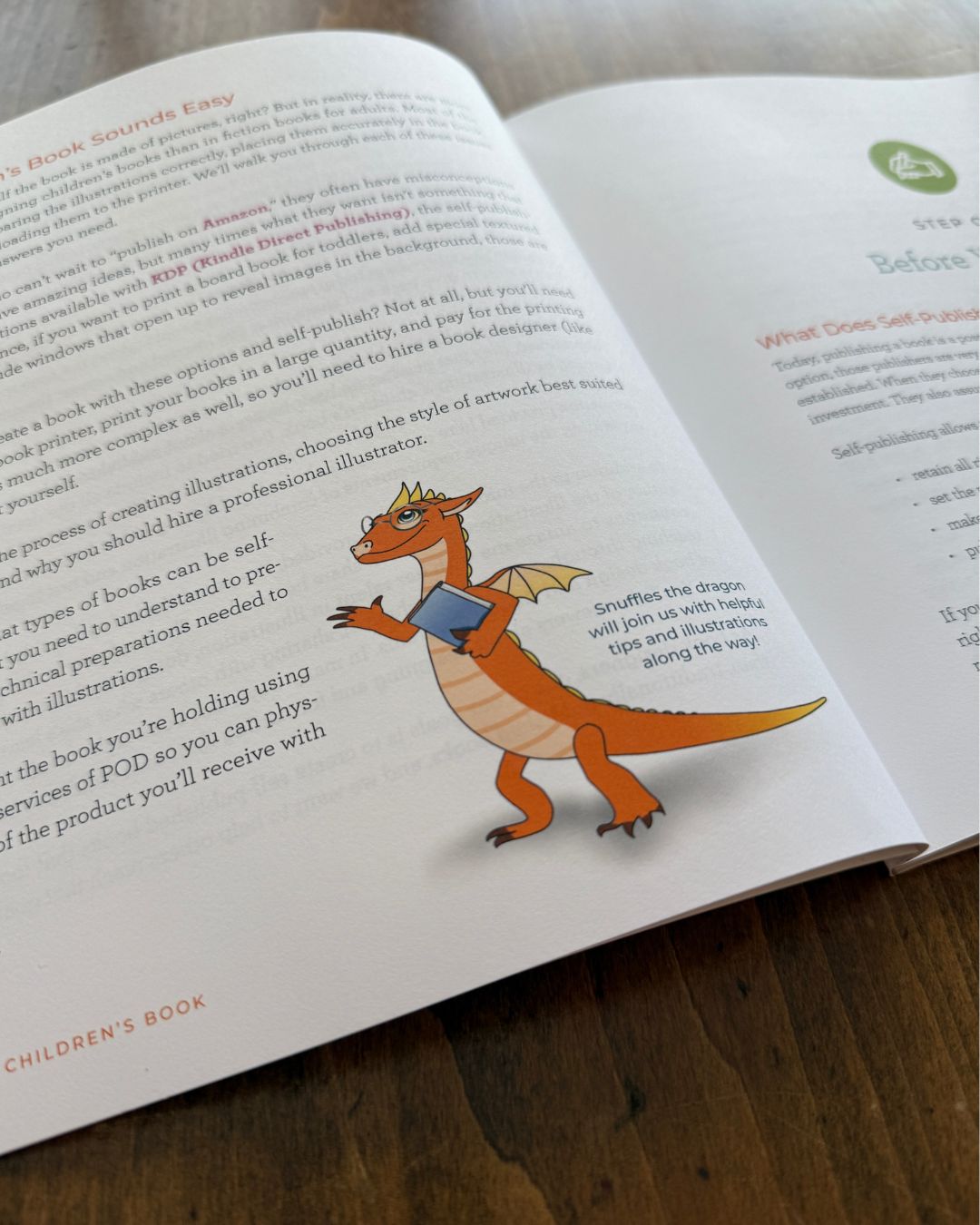
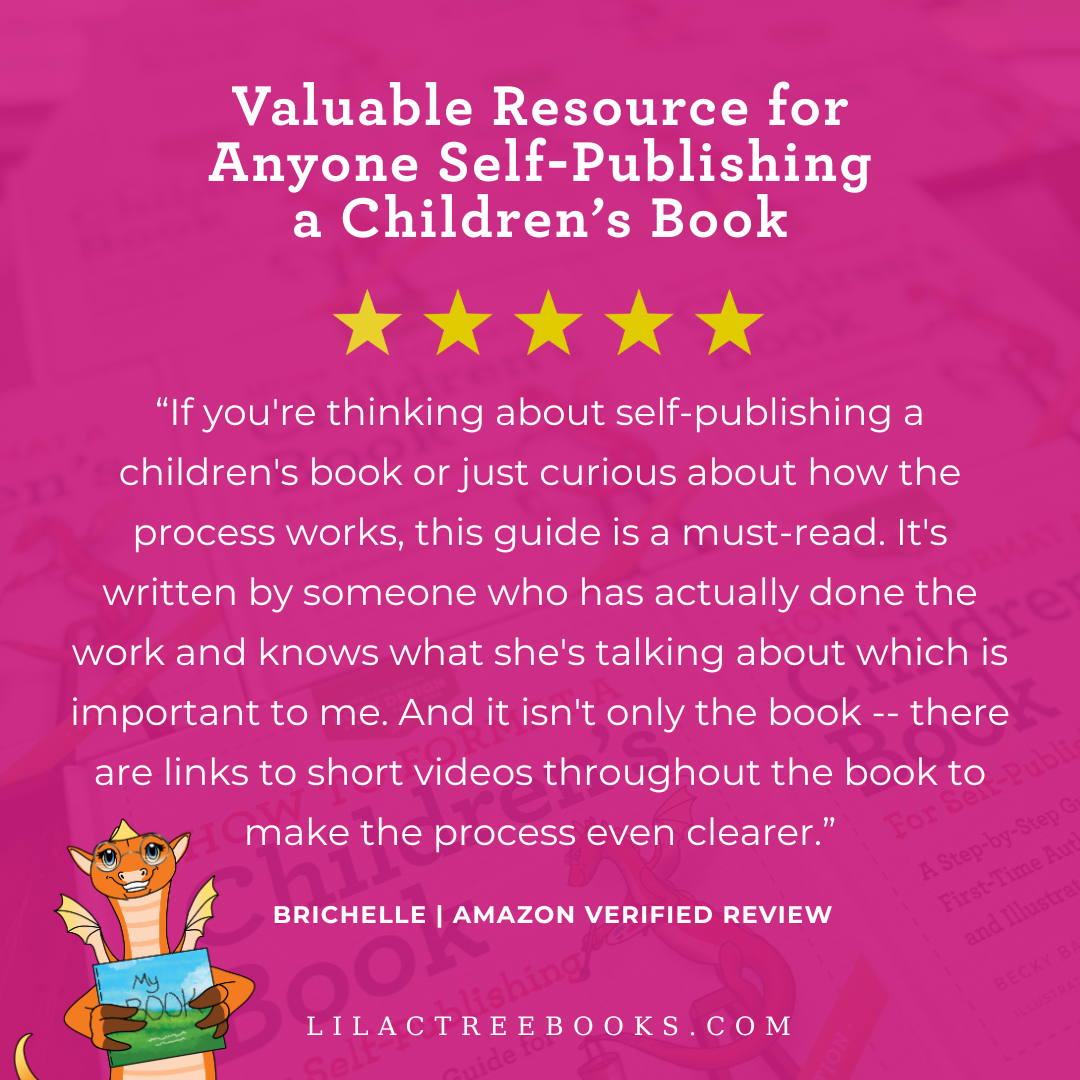
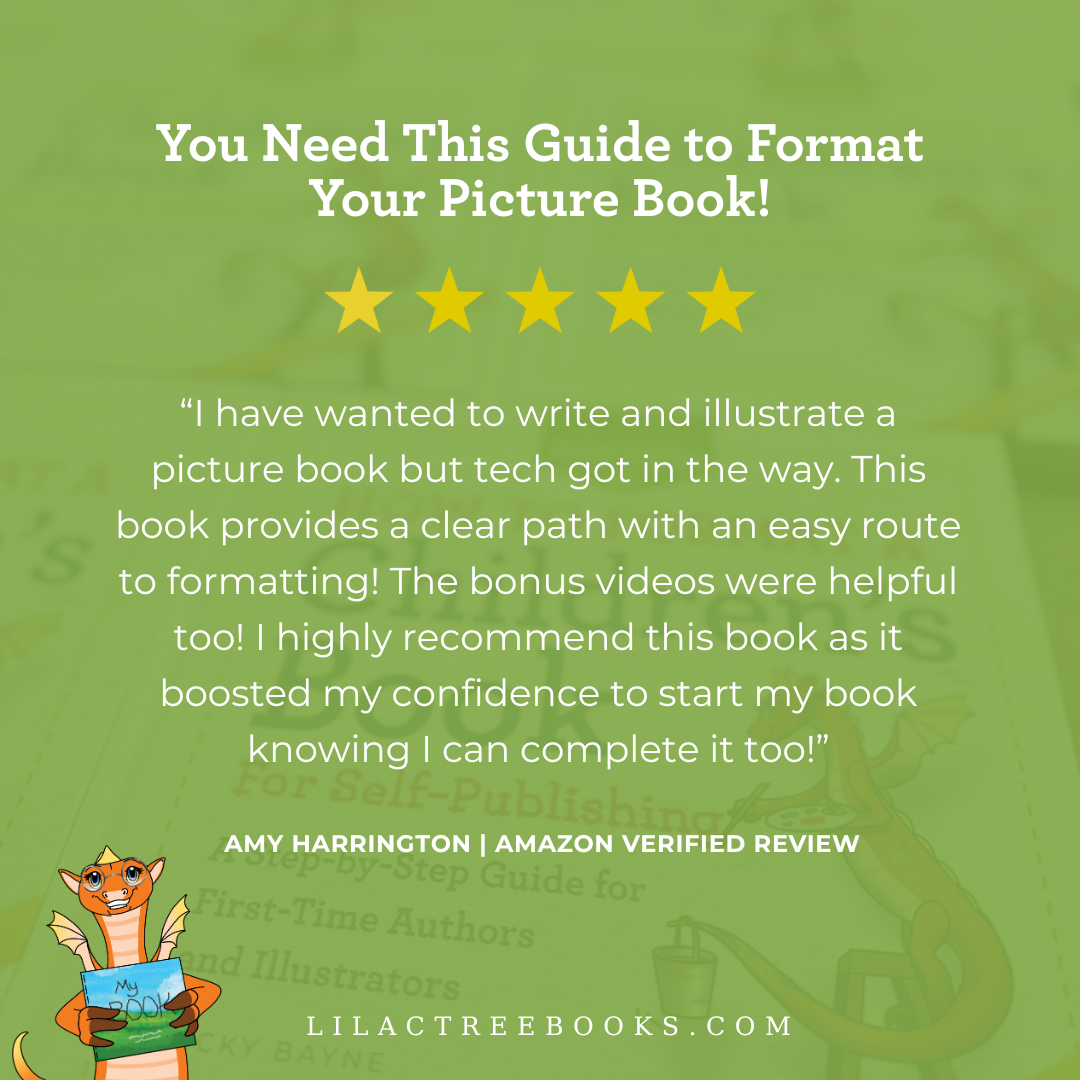
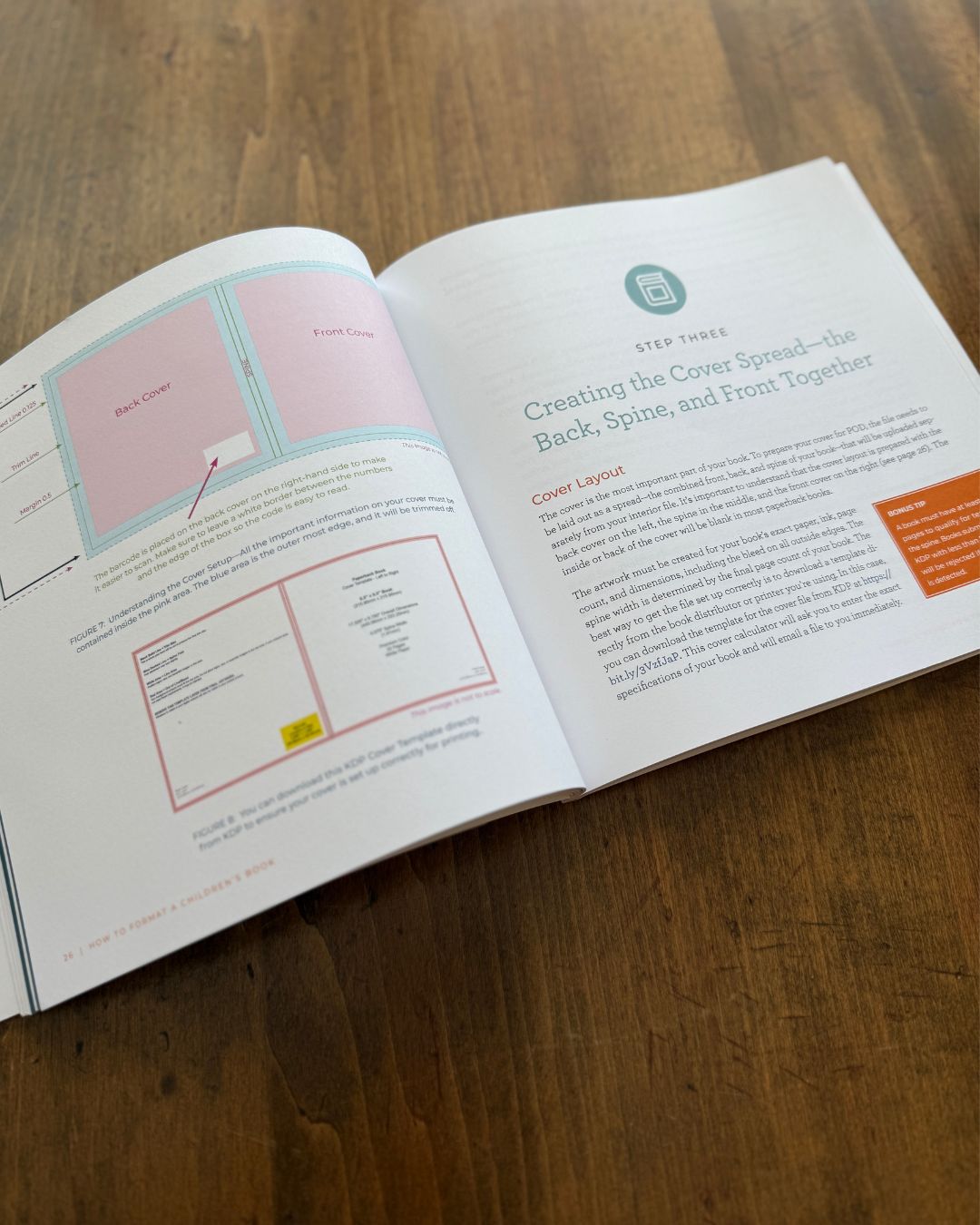
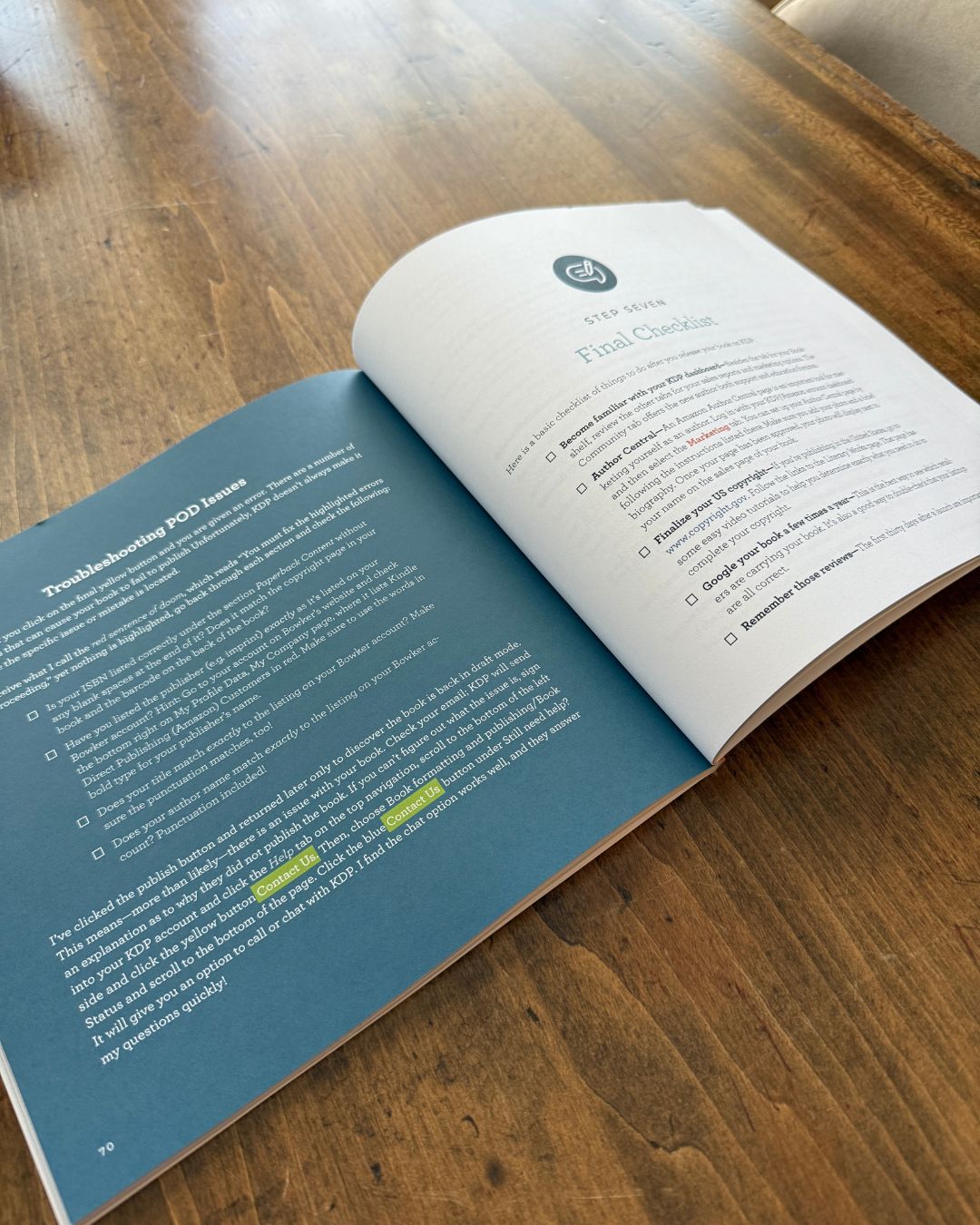
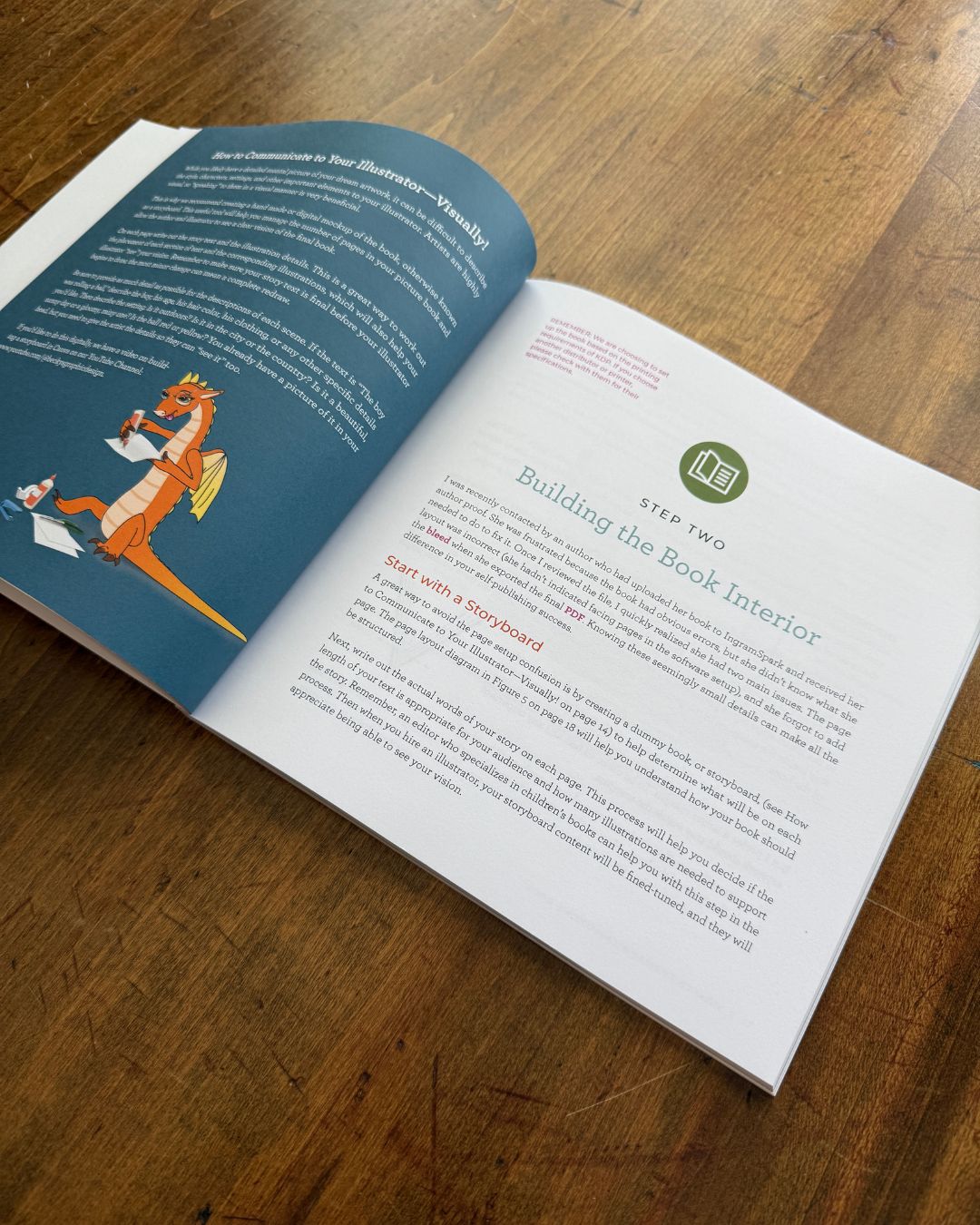
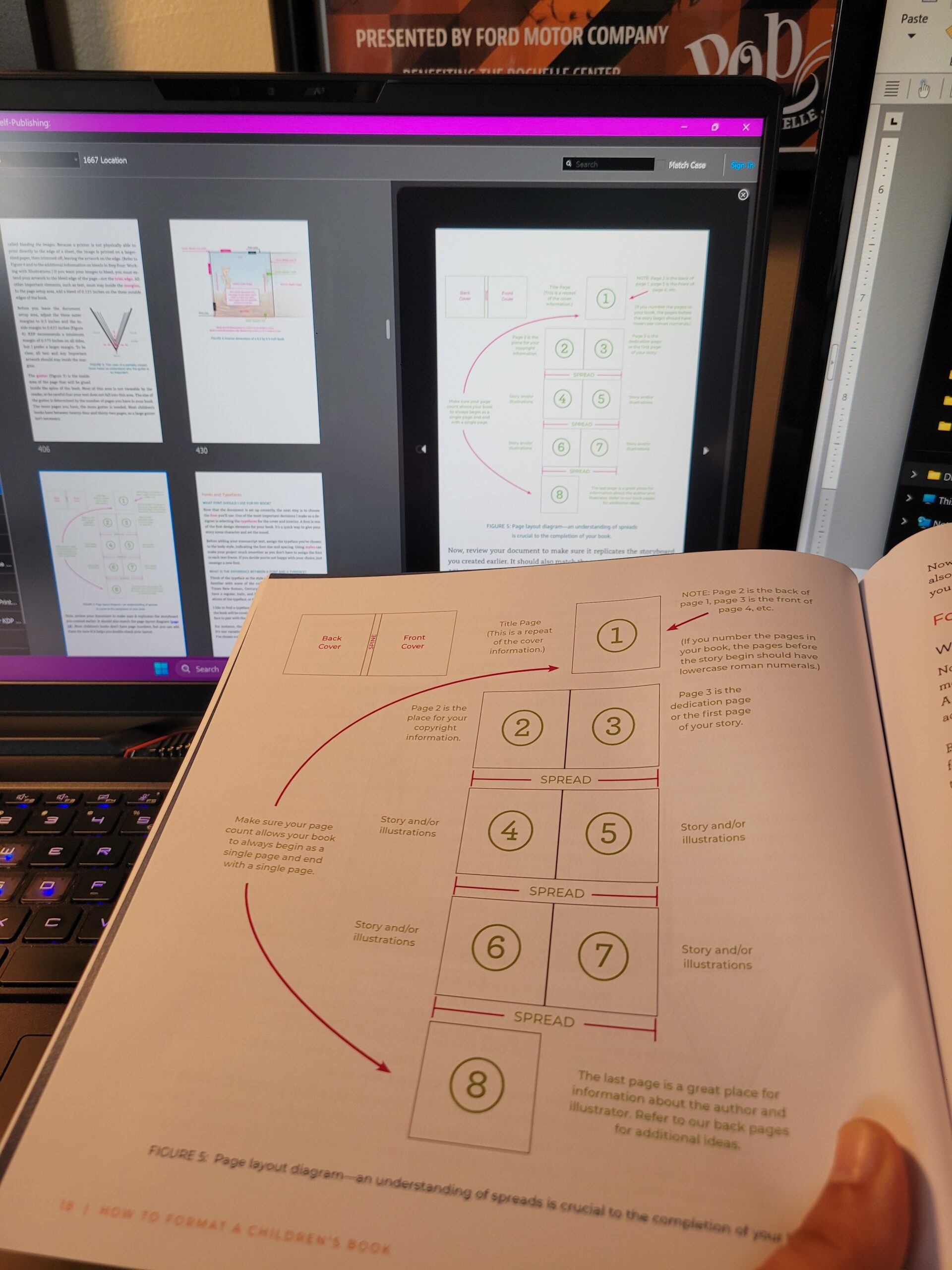
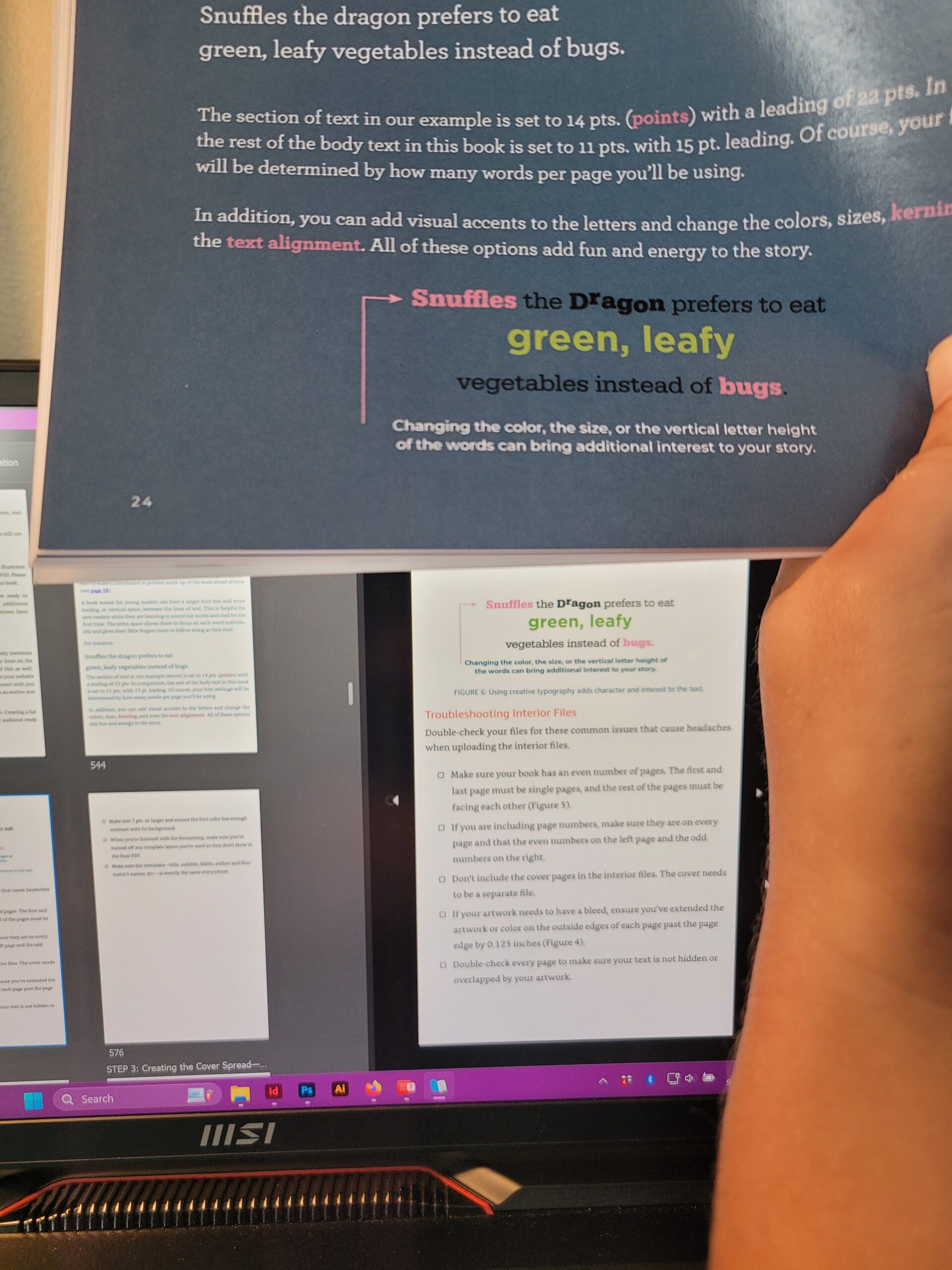
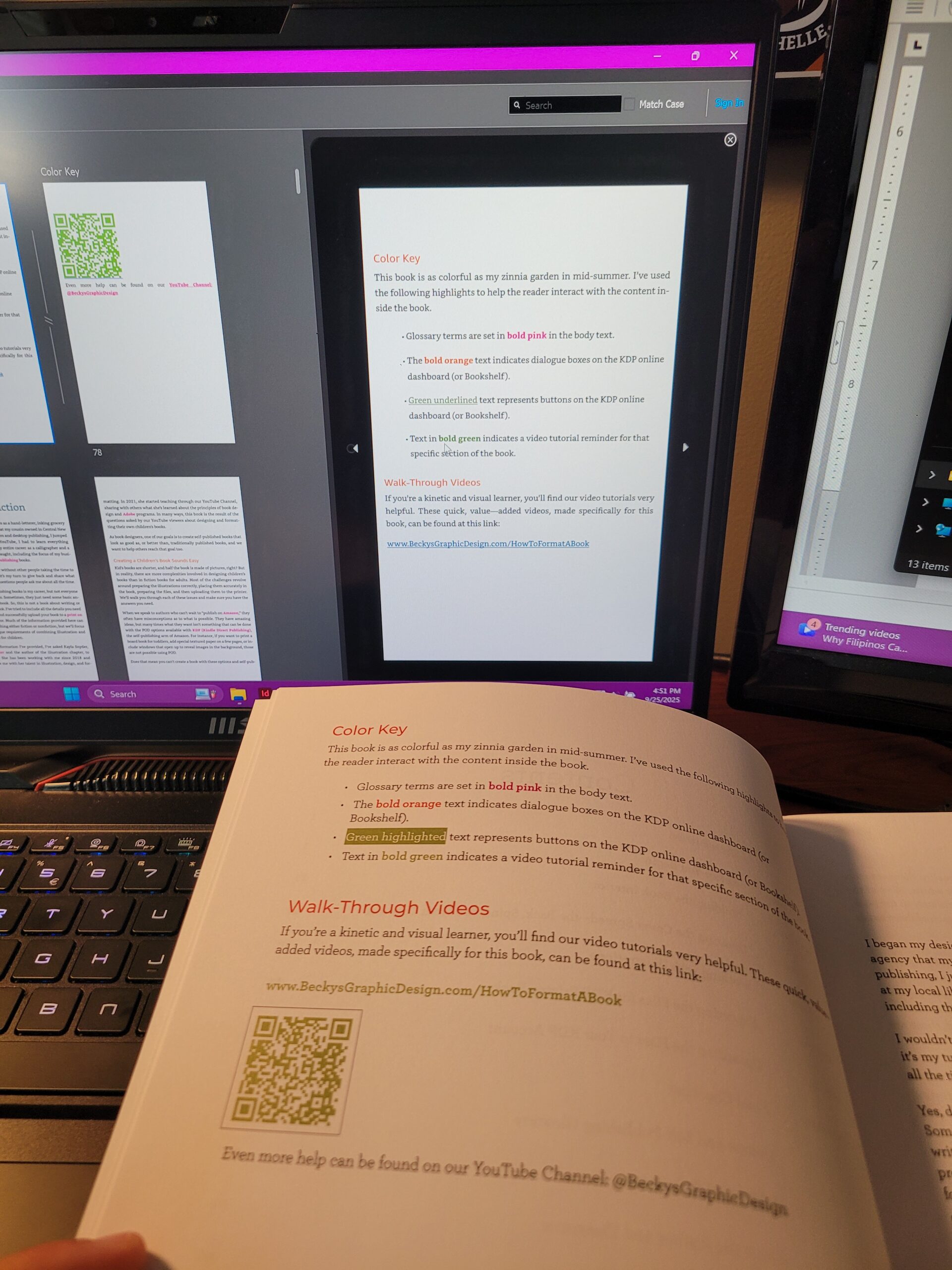
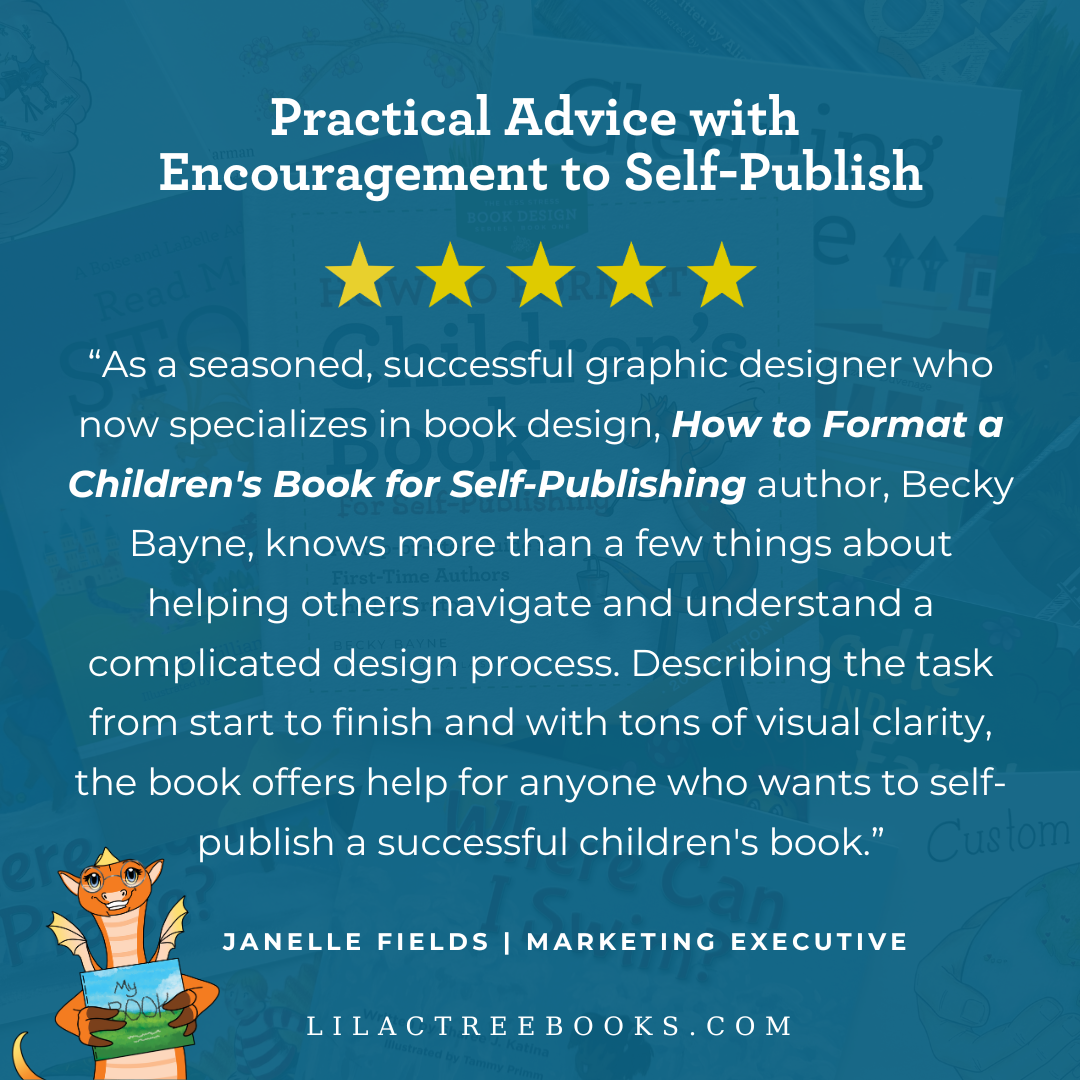
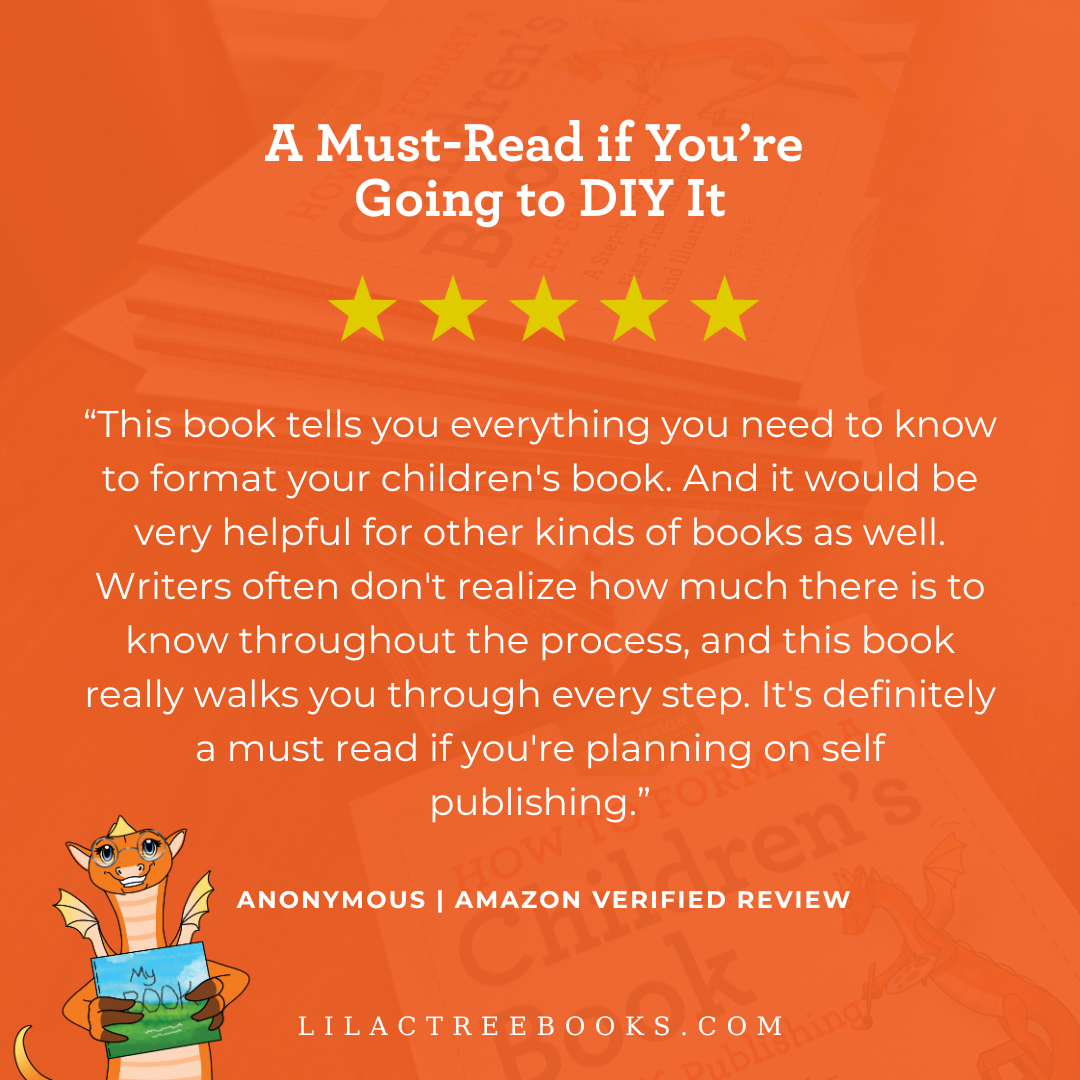
How to Format a Children’s Book for Self-Publishing: A Step-by-Step Guide for First-Time Authors and Illustrators
I’ve spent years helping authors bring their books to life, but walking through the process as the author gave me a completely different perspective. It deepened my respect for the journey and confirmed something I’ve always believed…
Publishing a book is not just a project. It’s a commitment.
If you’re thinking about writing or self-publishing your own book, here are the ten biggest lessons I learned along the way.
1. Writing is hard. Finishing is harder.
Starting a book feels exciting. You have ideas, momentum, and vision.
But finishing it? That’s where the real work begins.
Deciding it was finally done was much more difficult than I expected. There were moments I questioned if I had said everything clearly, if it was helpful enough, or if it was even worth finishing.
That’s normal.
The discipline to keep going is what separates published authors from aspiring ones.
2. You will edit more than you expect
No matter how prepared you think you are, you will go through more rounds of editing than planned.
And you should. My book went back and forth to the editor three times, and it’s not a long book!
Every pass improves clarity, strengthens your message, and raises the quality of your book. Editing isn’t a setback. It’s where your book becomes what it was meant to be.
3. People want to support you
This one surprised me the most.
I was overwhelmed by how many people were willing to read, review, and share my book. When you give people something valuable, they want to be part of it.
You don’t have to do this alone. Invite people into the process.
4. Life doesn’t pause for your book
Even with the best timeline, life will interrupt your plans.
There will be delays. There will be unexpected challenges. And there will be days when your book is not the priority.
Three weeks before my release date, we found out my husband would have knee replacement surgery on the exact day of my launch! I spent the day in the hospital, posting about the launch from his bedside. It worked.
Instead of fighting it, build flexibility into your process. Progress over perfection will always win.
5. Keep talking about your book
Many authors feel like they’re “overposting” or talking about their book too much.
You’re not.
Most people haven’t seen your post the first time. Or the second. Or the third. Sharing your book consistently is not annoying, it’s necessary.
Your audience grows when your message stays visible.
6. Marketing is not a phase. It’s ongoing
One of the biggest mistakes I see authors make is slowing down after launch.
Your book doesn’t stop being valuable after release day. In fact, that’s when the real opportunity begins.
In my case, my book didn’t really begin to sell until late September. It took that long for the marketing I was doing to finally produce the sales.
Look for ways to introduce your book to new audiences:
- Podcasts
- Speaking opportunities
- Social media content
- Partnerships
- Book Awards
- Local Libraries
The goal is not one big moment. It’s consistent visibility over time.
7. Invest in book awards
Submitting your book for awards matters more than most authors realize.
Awards build credibility. They open doors. And they give you additional ways to position your book in the marketplace.
For me, being recognized reinforced the quality of the work and created new opportunities I didn’t anticipate.
I use the website BookAwardPro.com to find legitimate award opportunities. Once you upload your book, they recommend the best options for your book genre. You decide which award to apply for and submit your book with the required fee. I always look for an award that will promote my book to their audience and provide additional promotion as well.
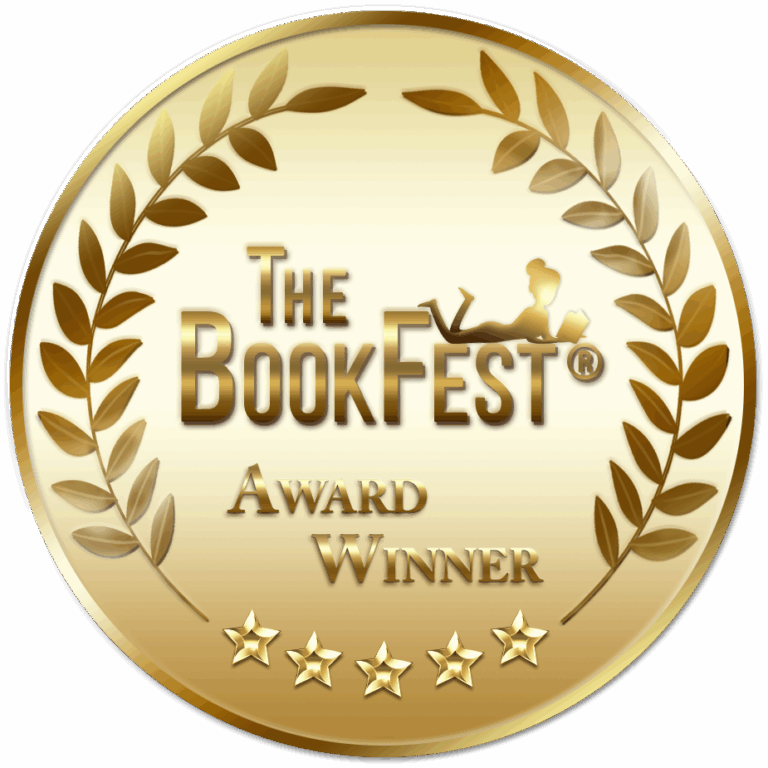
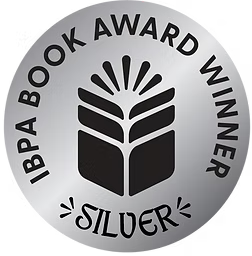
The BookFest Award Winner 2025
FIRST PLACE AWARD
Artistic & Technical Book Design

2025 Best Book Awards
FINALIST
Business: Writing/Publishing
8. Marketing deserves a monthly budget
It doesn’t have to be a large investment, but it does need to be consistent and funded by book sales.
Don’t spend more than you can earn unless it’s a special opportunity.
Even a small monthly budget keeps your book in motion. Whether it’s ads, promotions, or tools that support your visibility, ongoing investment keeps your momentum alive.
Books don’t sell because they exist. They sell because they’re seen.
9. Give your book a life beyond sales
One of the most meaningful things you can do is donate your book to libraries, schools, and organizations.
My book is in my library and can be found on the local author’s shelf.
I encourage our children’s book authors to donate at least one book to their favorite school library and to the local library.
It expands your reach, builds your credibility, and allows your message to impact people who may never have found you otherwise.
Your book is more than a product. It’s a tool.
10. Start writing your next book
This might be the most important lesson of all.
Your first book opens the door. Your next book builds your authority.
The authors who create long-term impact don’t stop at one. They continue writing, refining their message, and growing their audience.
Momentum compounds.
I’ve already begun updating my first book, and we have several other book ideas as well.
What will you write next?
Final Thoughts
Publishing my own book didn’t just reinforce what I teach my clients. It gave me a deeper understanding of what it actually takes to bring a book into the world and keep it moving.
If you’re in the middle of writing, editing, or preparing to publish, stay with it.
Your book matters. But what you do after it’s published matters just as much.
And if you’re serious about doing this well, take the time to prepare, plan, and position your book for success before you ever hit publish.
That’s where the real difference is made.